Buying a shore home should feel exciting, not overwhelming. If you are eyeing Brigantine, you are balancing dreams of beach walks with real questions about flood zones, inspections, insurance, and timing. This guide gives you a simple, local roadmap so you can buy with confidence. You will get clear steps, checklists, and timelines tailored to Brigantine. Let’s dive in.
Why Brigantine buying feels different
Brigantine is a barrier island with oceanfront, bayfront, single-family homes, and many condos. That coastal setting is part of the magic, and it adds a few extra steps you will want to handle early. Flood maps, elevation paperwork, and HOA or condo master insurance can affect both your budget and your lender’s requirements. With a clear plan, the process stays simple and calm.
Step 1: Set your game plan
Start with a short list of must-haves. Decide if you want ocean, bay, or a quieter residential location, parking needs, and whether a condo or single-family home fits your routine. Get pre-approval so you can move quickly when you find the right place. Choose a local agent who knows Brigantine’s flood and permitting details and can connect you with coastal inspectors and insurers.
Step 2: Understand flood zones and insurance
Buying on the island means you should verify a property’s flood zone and floor elevation early. That one task protects your timeline, budget, and negotiating power.
Get your zone and elevation file
Before you write an offer, request a flood zone and any Elevation Certificates on file for the exact address from the City. You can request a zone determination and ECs from the Brigantine Construction Office. Brigantine references the Atlantic County Flood Insurance Study effective August 28, 2018 as its baseline for permitting. You can review the city’s code adoption of the FIS and panels in the municipal flood damage prevention ordinance.
Why it matters: an Elevation Certificate or existing city file can reduce surprises, help insurers quote accurately, and speed up lending.
How flood insurance is priced today
NFIP pricing is now property specific under FEMA’s Risk Rating 2.0. That means premiums reflect factors like replacement cost, first-floor height relative to Base Flood Elevation, distance to water, and prior claims. For a clear primer on what changed, read the Congressional Research Service summary of Risk Rating 2.0. Get a property-specific quote early. If you are a primary-residence buyer, be aware that NFIP law includes annual increase caps while policies transition to full-risk rates. Confirm current cap rules with your insurer.
When lenders require coverage
If your property is mapped in a Special Flood Hazard Area and you use a federally regulated lender, flood insurance is typically mandatory for the life of the loan. Lenders use a standard flood-hazard determination to verify this. You can review the rule in the FDIC’s guide to the Flood Disaster Protection Act and mandatory purchase.
Elevation Certificates and LOMAs
Under Risk Rating 2.0, an Elevation Certificate is not always required to buy an NFIP policy, but it can still lower premiums or support a Letter of Map Amendment. Ask the seller for any ECs and flood insurance declarations, then confirm with the City. The Brigantine Construction Office keeps ECs on file when available.
Step 3: Build a shore-savvy inspection plan
Use inspectors with coastal experience. Standard inspections are a start, but Brigantine homes benefit from a few focused checks.
Structural and foundation review
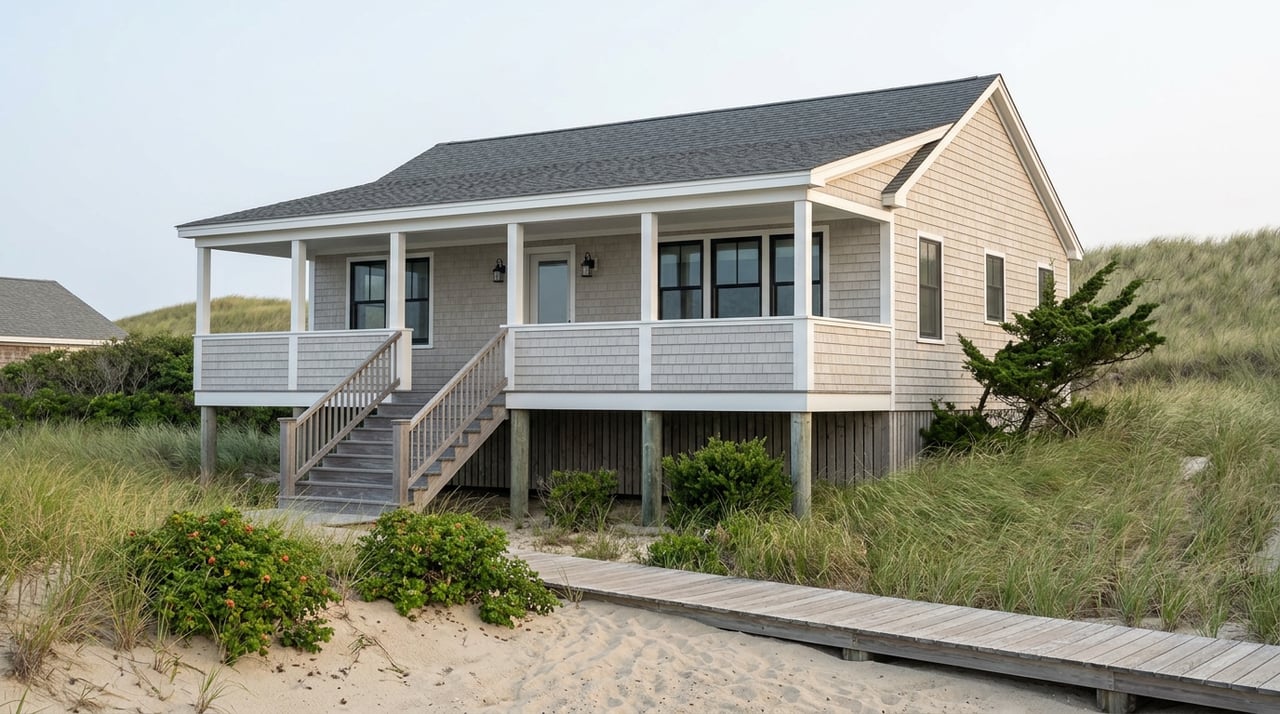
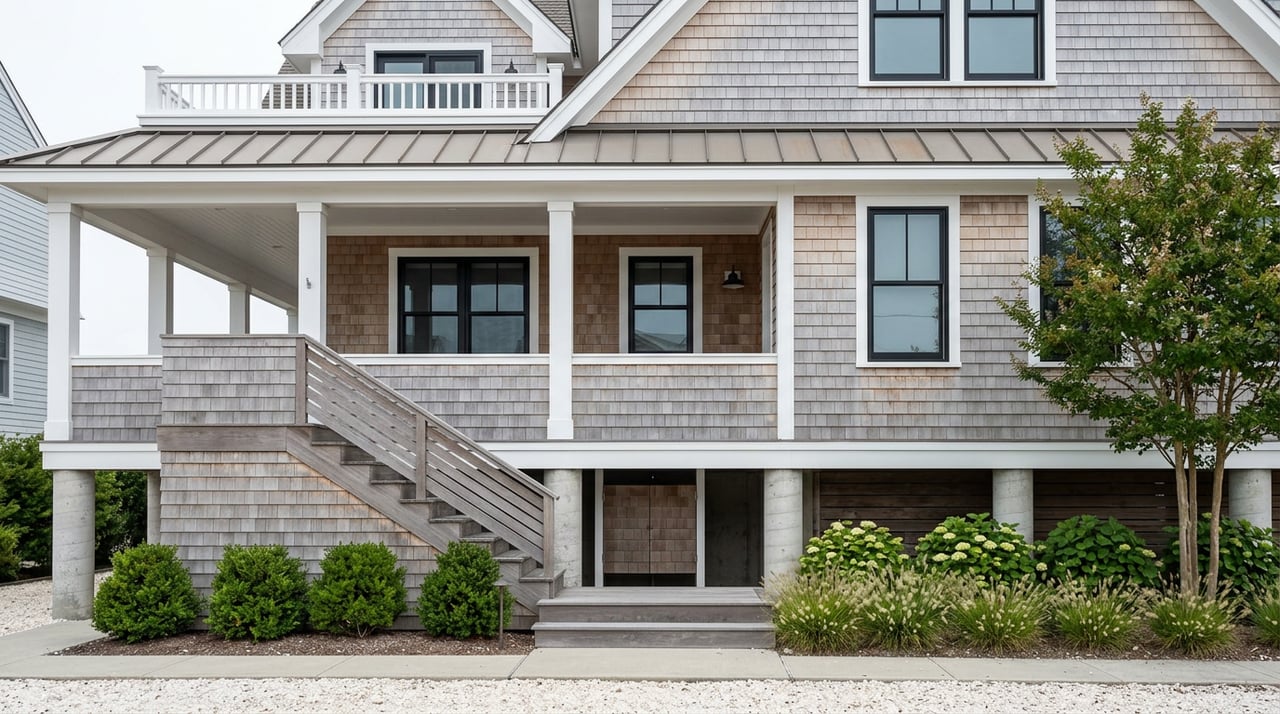
If the home is elevated on pilings or piers, have a specialist evaluate pile condition, connections, bracing, and any breakaway walls. Confirm how utilities are mounted and whether lower enclosures meet venting or breakaway guidelines. FEMA’s guidance on utility protection is a helpful reference; see FEMA P-348, summarized here: Protecting Building Utility Systems From Flood Damage.
Bulkhead, seawall, and docks
For bayfront properties, bring in a marine engineer or qualified contractor. Check the bulkhead or seawall condition, maintenance history, and any permits tied to docks or boat lifts. Confirm riparian rights during title and disclosure review.
Elevation and freeboard checks
If no EC exists, plan to order a survey or EC during contingency. Many New Jersey towns set a Local Design Flood Elevation that includes state freeboard. You can review Brigantine’s flood ordinance framework and design elevations in the municipal code.
Mechanicals, corrosion, and electrical
Salt air speeds corrosion. Have HVAC, plumbing, and electrical systems checked for elevation, anchoring, age, and condition. Look for signs of prior mitigation like raised compressors or sealed conduit. The FEMA utility guide above offers practical best practices.
Moisture, roof, and mold
Ask your inspector to scan for moisture and look closely at the roof and attic. Wind, salt, and prior tidal events can leave clues. For condos, confirm whether the association has completed roof or flood-mitigation projects.
Pest and wood-rot
Salt-air environments can mask hidden wood decay. Ask for a pest and wood-rot inspection that targets framing, connections, and porch elements.
Step 4: Budget like a local
Your payment is more than price and principal. Build a realistic Brigantine budget early to stay in control.
- Recurring items to price: property taxes, utilities, homeowners insurance, flood insurance, HOA or condo fees, and coastal upkeep such as bulkhead or dock maintenance where applicable.
- Get flood quotes early: Risk Rating 2.0 is address based. Share any EC and first-floor details so quotes are accurate.
- Watch timing: insurers may have waiting periods for new NFIP policies. Confirm timing with your agent and build it into your closing plan.
HOA and condo (RCBAP) essentials
If you are buying a condo or in an HOA, ask for the full master insurance declarations, including whether the association carries an NFIP master flood policy. The NFIP condo master policy is called a Residential Condominium Building Association Policy. Unit owners typically still need walls-in and contents coverage. See FEMA’s RCBAP entry in the terminology index. Also request the reserve study, meeting minutes, recent special assessments, and any pending litigation. Know the master deductible and how loss assessments work.
Financing coastal properties
Ask lenders upfront what they require for coastal closings. Expect a Standard Flood Hazard Determination and proof of flood insurance if needed. Some lenders may ask for an Elevation Certificate, LOMA, or RCBAP evidence for condos. For background on mandatory-purchase rules, see the FDIC’s flood insurance guidance.
Step 5: Time your search around seasonality
Shore markets run on a seasonal rhythm. Spring and summer bring more touring and competition, especially for second homes. Fall and winter often mean fewer showings and a bit more negotiating room. If you want summer use, prepare to act fast in-season. If you want leverage, look in the off-season and keep contractors and inspectors lined up.
Step 6: Simple timelines and checklists
Before you start searching (1 to 2 weeks)
- Get mortgage pre-approval or gather proof of funds.
- Choose a Brigantine-focused agent who can run flood-zone checks and introduce coastal inspectors and insurance pros.
- Define must-haves: bay or ocean proximity, parking, dock or riparian needs, HOA rules, and whether you prefer a raised foundation.
Before you write an offer (fast checklist)
- Request a FIRM zone determination and any Elevation Certificates on file from the Brigantine Construction Office.
- Ask the seller for recent flood insurance declarations, any flood or repair history, prior permits, and the HOA or condo master policy if applicable. Use FEMA’s RCBAP definition to understand coverage layers.
- Get preliminary NFIP and private-market flood quotes for the exact address.
Inspection and contingency period (about 2 to 3 weeks)
- Schedule: general inspection plus pile or pier specialist, bulkhead or seawall evaluation, HVAC and electrical checks, and a moisture or mold scan. Add a marine engineer if waterfront.
- If there is no EC, order a survey or EC now. Allow extra time if you need a rush.
Final underwriting to closing (about 30 to 60 days)
- Confirm your flood insurance binder meets lender requirements well before closing. Lenders can force-place coverage if a policy is missing or insufficient.
- Verify all permit files and association documents are delivered and reviewed before your loan goes to final approval.
A calm path to your Brigantine home
You can buy with confidence when you handle flood and inspection steps upfront, budget with real numbers, and time your search to the season. Keep the process simple: get your zone and EC early, use coastal inspectors, and line up insurance before you go under contract. If you want a local guide who will keep the details moving and the stress low, reach out to Alexander Huffard.
FAQs
What should Brigantine buyers check first about flood risk?
- Ask the City for a zone determination and any Elevation Certificates on file, then get a property-specific flood insurance quote.
When is flood insurance required for a Brigantine mortgage?
- If a federally regulated lender is used and the home is mapped in a Special Flood Hazard Area, flood insurance is typically required for the loan term.
What is an Elevation Certificate and why does it matter?
- It documents floor elevations and features; it can help insurers price accurately and may reduce premiums or support a map amendment.
How do condo flood policies work in Brigantine?
- Associations may carry an NFIP master flood policy called an RCBAP; unit owners usually still carry walls-in and contents coverage.
What inspections are most important for Brigantine homes?
- In addition to a general inspection, add coastal checks for pilings, bulkheads or docks, mechanical corrosion, moisture or mold, and roof condition.
When is the best time to buy in Brigantine?
- Spring and summer bring more competition and faster moves; fall and winter often offer fewer showings and better negotiating conditions.