Trying to choose between the Boardwalk buzz and the quiet of the Gardens? Ocean City packs several distinct lifestyles into one barrier island, and the right fit depends on how you want to live, rent, and commute to the sand. You might be planning a summer escape, a year‑round move, or a rental investment, but you want clarity before you start touring. In this guide, you’ll compare the main neighborhoods, see common home types and price signals, and learn the key rules that affect your bottom line. Let’s dive in.
How Ocean City is organized
Ocean City’s planning documents describe a commercial Boardwalk corridor, a north end with more single‑family homes, middle blocks with more multi‑family and duplexes, and a bayfront “Riviera” area with manmade lagoons roughly between 14th and 23rd Streets. You can review these formal land‑use patterns in the city’s Conservation and Master Plan materials for an authoritative baseline. For reference, see the city’s planning document on neighborhood form and bayfront areas in the Conservation Plan and Recreation Inventory.
Locals also use informal labels to describe the island: Central or Boardwalk area around 6th to 15th Street, Gold Coast from about 15th to 34th, South End from about 34th to 59th, and the Gardens at the north end. These are not official administrative boundaries, but they help you navigate options while you compare streets and blocks.
Citywide pricing varies by source. Zillow’s typical home value was about $1.07M as of late February 2026, while Realtor.com showed a higher city median around $1.35M in December 2025. Use these as directional signals and rely on current MLS comps for exact block‑level pricing. Ocean City’s year‑round population is small, around 11,200, yet demand surges in summer because many homes are seasonal. For the demographic context, review U.S. Census QuickFacts for the city.
Neighborhoods at a glance
- If you want nonstop Boardwalk access and peak summer energy, look at Central (roughly 6th–15th). Expect more condos and multi‑unit buildings and strong weekly rental demand.
- If you want upscale beach‑block living with calmer mornings, start in the Gold Coast (about 15th–34th). You will see beachfront condos, duplexes, and newer single‑family rebuilds.
- If you want larger lots and a year‑round neighborhood feel, target the Gardens at the north end. Single‑family homes dominate here.
- If you want quieter beaches and relative value, compare the South End (about 34th–59th). You will find a range of condos, duplexes, and single‑family homes.
- If boating and sunsets matter, focus on bayfront pockets and the Riviera lagoons (around 14th–23rd on the bay side). Docks and bulkheaded lots are key features.
Boardwalk / Central (about 6th–15th Street)
Vibe and lifestyle
You get the island’s highest summer energy with walk‑to‑Boardwalk convenience, the Music Pier, amusements, and evening activity in season. If you like being steps from attractions, this area delivers.
Homes you’ll find
Expect small condos, multi‑unit buildings, beach‑block townhomes, and some older single‑family houses that trade on proximity. A hotel and motel commercial zone parallels the Boardwalk in the mid‑island corridor, as noted in the city’s planning materials.
Price and rental signals
Boardwalk‑adjacent properties often command premium weekly summer rents. Local inventory shows many 3 to 4 bedroom beach‑block options advertised from roughly the low thousands to several thousand dollars per week in peak season. For example, sample listings on a local rental portal show a broad range of weekly rates by proximity and quality.
Best fit
Consider this area if you prioritize immediate access to attractions and strong short‑term rental potential and are comfortable with seasonal crowds.
Gold Coast (about 15th–34th Street)
Vibe and lifestyle
Quieter than the Boardwalk core yet close to town, the Gold Coast is often described as a premier mid‑island beach stretch. It is popular with buyers seeking a refined beach‑block experience.
Homes you’ll find
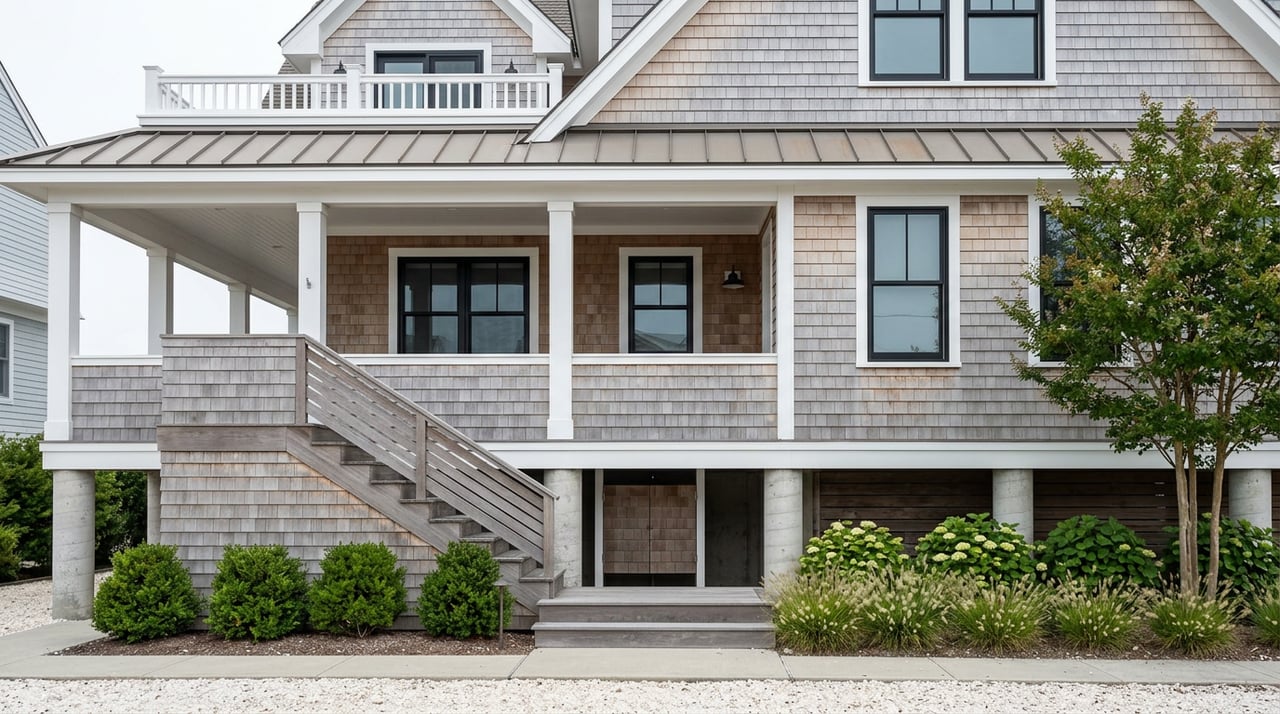
You will see beachfront condos and duplexes, plus larger single‑family rebuilds with porches and roof decks. Many listings in this band trade in the million‑dollar range, with higher prices for new construction and ocean‑view locations.
Price and rental signals
Move‑in‑ready 3 to 4 bedroom homes commonly list and sell above $1M, with notable premiums for new builds and oceanfront. Weekly summer rental demand is strong and often outperforms other mid‑island areas for comparable homes.
Best fit
Start here if you want an upscale, beach‑block lifestyle with consistent short‑term rental demand and a calmer atmosphere than the Boardwalk core.
The Gardens (north end)
Vibe and lifestyle
The Gardens offers a leafy, residential feel with quieter streets. It suits buyers who want a neighborhood character that works for year‑round living.
Homes you’ll find
Single‑family homes dominate, ranging from older cottages to newer rebuilds, often with garages, driveways, and more yard space than mid‑island blocks. The city’s planning resources reflect this lower‑density pattern in the north end.
Price and rental signals
Buyers here typically shop single‑family homes with pricing often above $1M, depending on lot, condition, and proximity to the beach. Rental demand exists, but many owners prioritize primary or second‑home use.
Best fit
Target the Gardens if you value yard space, a quieter setting, and a year‑round neighborhood feel.
South End (about 34th–59th Street)
Vibe and lifestyle
This is the calmest oceanfront experience on the island, with wider‑feeling beaches and fewer crowds in many spots. Corson’s Inlet State Park lies just south of the island, which adds a natural buffer.
Homes you’ll find
You will find condos, duplexes, townhomes, and single‑family homes. Block‑by‑block, the South End can show more value compared with the Gold Coast and Central areas.
Price and rental signals
Weekly summer rental rates here can be lower than Boardwalk or Gold Coast locations for similar bedroom counts, yet demand remains steady. Representative listings show a wide spread by condition and proximity, from under a thousand dollars per week for some condos to several thousand for updated, closer‑to‑beach options.
Best fit
Choose the South End if you want quieter beaches and a better value comparison while maintaining strong seasonal appeal.
Bayside and the Riviera lagoons (about 14th–23rd on the bay)
Vibe and lifestyle
Bayside living is about sunsets, boating, and quieter evenings. Asbury Avenue provides a convenient shopping corridor, and marinas serve local boaters.
Homes you’ll find
Bulkheaded bayfront lots line manmade lagoons in the Riviera area, along with one‑ and two‑family homes and townhomes with potential boat slips. The city’s Master Plan identifies the Riviera bayfront between about 14th and 23rd Streets.
Price and rental signals
Bayfront and slip‑equipped homes carry premiums due to water access. Due diligence on bulkheads, docks, and flood exposure is essential before you close. If you plan to keep a boat, explore regional facilities like All Seasons Marina for slip availability and services.
Best fit
Look bayside if boating and sunset views are top priorities and you are prepared to evaluate dock and flood considerations thoroughly.
Rental economics: weekly vs year‑round
- Short‑term weekly summer rentals: Local listings show large spreads driven by proximity, size, and condition. Many 3 to 4 bedroom beach‑block homes advertise roughly from the mid‑thousands up to well over five thousand dollars per peak week. Use representative examples from a local rental portal when modeling top‑line revenue.
- Year‑round rentals: Portal snapshots show a citywide median monthly rent near the high two‑thousands as of December 2025. That is useful for long‑term lease models but does not reflect peak summer weekly rates.
- Net income reality: Subtract management, cleaning, utilities, maintenance, insurance, and city rental registration costs. Peak weeks can be strong, but occupancy is seasonal.
Rules and logistics you should know
- Short‑term rental registration: Ocean City requires a Mercantile license, Rental Registration, and a Landlord Certificate. Review the city’s licensing and registration steps before you market or host.
- Beach tags: Tags are required for ages 12 and up during the staffed season. Check official beach tag dates and where to buy so you can inform guests and plan costs.
- Alcohol policy: Ocean City is a long‑standing dry municipality. Recent local coverage notes the city has reaffirmed its no‑alcohol stance, which shapes dining and nightlife expectations.
- Flood, elevation, and insurance: Much of the island sits in FEMA‑designated flood zones. Review the city’s Flood Damage Prevention ordinance and obtain elevation certificates and flood‑insurance quotes early in your process.
- Parking and access: Municipal parking is seasonal and ParkMobile is widely used. Off‑street parking and private driveways add meaningful appeal for both owners and renters.
Due‑diligence checklist for buyers
- Request recent MLS comps on the same block and within the same property type. Neighborhood‑level spreads can be large.
- Verify flood zone using FEMA FIRM panels and ask for an elevation certificate if available. Your lender may require flood endorsements.
- Confirm Mercantile and Rental Registration, plus the Landlord Certificate, with Ocean City Licensing before hosting.
- For income models, review actual 12‑month booking calendars and net rental statements from comparable properties. Do not rely only on asking rates.
- Get insurance quotes early for home and flood coverage and understand bulkhead or dock maintenance if buying along the bay.
Next steps
Every Ocean City block tells a different story, and the best move is to match your lifestyle and income goals to the right streets and housing types. If you want help narrowing neighborhoods, reading block‑level comps, and building a realistic rental pro forma, you can get a tailored plan and on‑the‑ground advice. Connect with Alexander Huffard for buyer representation, valuations, and a clear next‑step game plan.
Review U.S. Census QuickFacts for Ocean City’s population and housing context
Browse representative weekly rental examples on a local portal
Check Ocean City’s Mercantile and Rental Registration requirements
See official beach tag dates and purchasing options
Read coverage of Ocean City’s reaffirmed no‑alcohol stance
Review Ocean City’s Flood Damage Prevention ordinance and FEMA references
Explore slip availability and services at All Seasons Marina
Ready to compare properties on the ground and make a confident offer? Reach out to Alexander Huffard for a custom neighborhood shortlist, on‑the‑spot comps, and a step‑by‑step path to closing.
FAQs
What are the main Ocean City neighborhoods and how do they differ?
- Central near the Boardwalk offers peak summer energy and strong weekly rentals, the Gold Coast is a refined mid‑island beach stretch, the Gardens is a quieter single‑family area, the South End is calmer with relative value, and bayside pockets focus on boating and sunsets.
How do seasonal rentals in Ocean City affect buying decisions?
- Weekly summer rents can be strong in Boardwalk and Gold Coast areas, but income is seasonal, so factor in costs like management, cleaning, insurance, and city registration to understand net returns.
What permits do I need to operate a short‑term rental in Ocean City?
- You should complete the city’s Mercantile license, Rental Registration, and Landlord Certificate processes before hosting; confirm current forms and steps with Ocean City Licensing.
How should I evaluate flood risk for a beach or bay home?
- Check FEMA FIRM maps, request an elevation certificate, review the city’s flood ordinance, and obtain flood‑insurance quotes early since many island properties sit in mapped flood zones.
Where can I confirm official neighborhood or zoning details?
- The city’s Conservation and Master Plan materials outline formal land‑use patterns, including the Boardwalk corridor and the Riviera bayfront lagoon areas between about 14th and 23rd Streets.
Are beach tags required for owners and guests in summer?
- Yes, beach tags are required for ages 12 and up during the staffed season; check official dates, prices, and where to purchase on the city’s beach tag page.